As Singapore continues its journey towards becoming a carbon neutral nation by 2050, the way we design our workspaces is experiencing a radical transformation. Business owners across the island are discovering that sustainable office design isn’t just about ticking environmental boxes anymore. It’s about creating spaces that boost productivity, attract top talent, and significantly reduce operational costs whilst contributing to a greener future.

The shift towards eco conscious workplace design has accelerated dramatically over the past year, research from Human Spaces research reports showed that offices incorporating sustainable design elements see a 15% increase in wellbeing scores and a 6% boost in productivity compared to traditional office environments. For business owners looking to future proof their workspaces, understanding these emerging trends is no longer optional but essential for staying competitive in Singapore’s dynamic business landscape.

Biophilic Design Takes Centre Stage

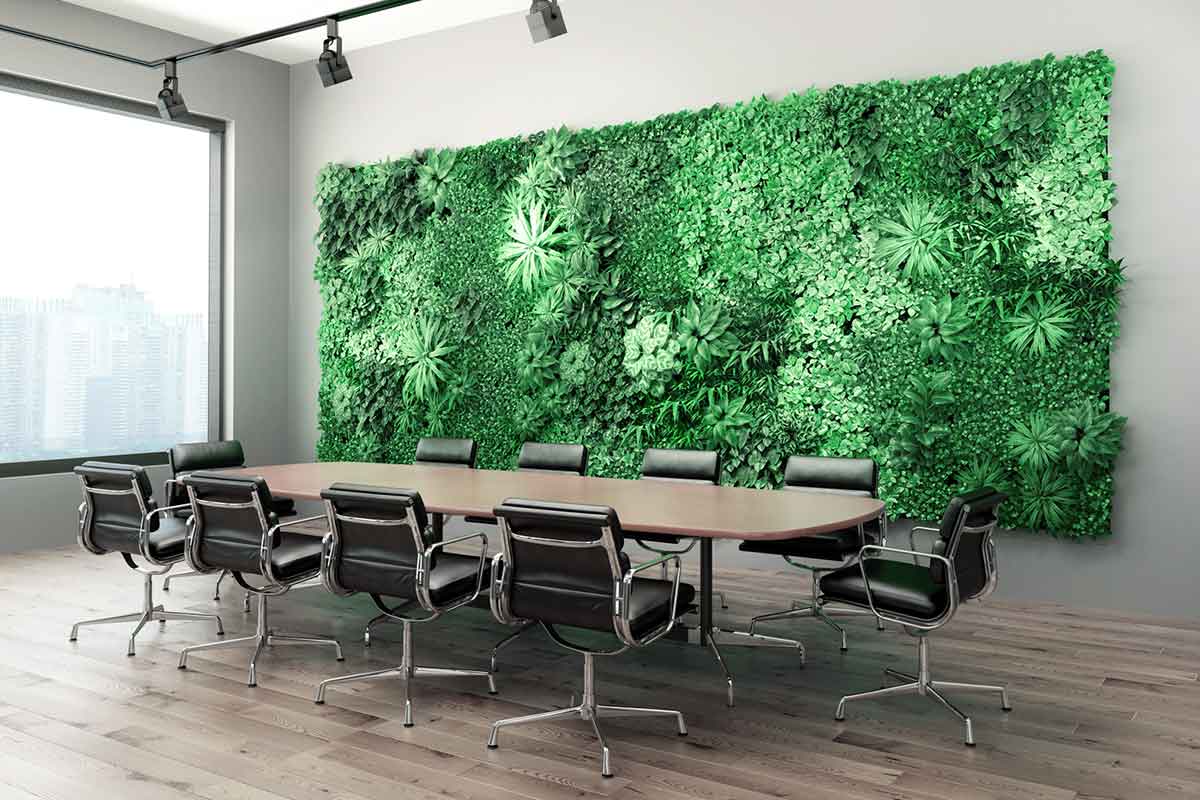
Nature is making its way indoors in a big way. Beyond the typical potted plants, biophilic design now encompasses living walls, water features, and natural materials that create a seamless connection between the indoor and outdoor environment. Singapore’s tropical climate provides unique opportunities for incorporating outdoor elements through covered terraces and garden courtyards.

This approach goes beyond aesthetics. Natural elements help regulate humidity, improve air quality, and create calming environments that reduce stress levels amongst employees. Companies are reporting measurable improvements in employee satisfaction scores after implementing comprehensive biophilic solutions.

Circular Economy Principles in Action

The traditional “take, make, dispose” model is becoming obsolete in Singapore’s office spaces. Future workplaces will embrace circular principles by designing out waste, reusing fit out materials, and prioritising modular construction. This shift means furniture and office fixtures are increasingly being leased rather than purchased, ensuring efficient end of life recycling and reuse.

Business owners are discovering that this approach not only reduces environmental impact but also provides greater flexibility for future office reconfigurations. When your business grows or pivots, modular systems allow for easy adaptation without the waste and expense of complete renovations.

Smart Technology for Energy Efficiency

Intelligent building systems are revolutionising how offices consume energy. Motion sensing LED lights, smart thermostats that learn usage patterns, and automated blinds that respond to sunlight levels are becoming standard features in forward thinking Singapore offices. These technologies can reduce energy consumption by 15 to 25% while maintaining optimal comfort levels for employees.

Real time monitoring systems provide detailed analytics about energy usage, helping businesses identify inefficiencies and make data driven decisions about resource allocation. The initial investment typically pays for itself within 3-5 years through reduced utility costs.

Zero Waste Initiatives

Zero waste practices, including comprehensive recycling and waste reduction programmes, will become a defining feature of sustainable office design as we move through 2026. This extends beyond simple recycling bins to include composting systems for organic waste, elimination of single use plastics, and digital solutions that dramatically reduce paper usage.

Progressive Singapore companies are implementing sophisticated waste segregation systems and partnering with local recycling facilities to ensure materials are properly processed. Some offices are even achieving negative waste status by producing compost and recyclables that exceed their landfill contributions.

Sustainable Materials Revolution

The materials used in office interior design in Singapore are undergoing a complete transformation. Reclaimed wood is creating stunning feature walls, and bamboo flooring is replacing traditional options. These materials not only reduce environmental impact but often provide superior durability and unique aesthetic appeal.

Low VOC paints and finishes are now standard, ensuring better indoor air quality and reducing harmful emissions.

Flexible and Adaptive Spaces

The hybrid work model has permanently changed how we use office spaces. Hot desking and activity based working arrangements allow employees to choose where they work each day, fostering collaboration and autonomy. This flexibility reduces the overall space requirements, cutting both rental costs and environmental footprint.

Modular workstations that can be quickly reconfigured for different team sizes and project requirements are becoming essential. This adaptability ensures spaces remain functional as business needs evolve, eliminating the need for frequent costly renovations.

Wellness Centric Design Elements

Employee wellbeing is taking precedence in sustainable office design. Dedicated wellness zones including meditation rooms, quiet spaces for focused work, and relaxation areas are becoming standard features. Ergonomic furniture that promotes good posture and reduces physical strain is no longer considered a luxury but a necessity.

Natural lighting is being maximised through strategic window placement and light wells, reducing reliance on artificial lighting whilst supporting employees’ circadian rhythm

Green Certification as Standard

Achieving Building and Construction Authority Green Mark certification is transitioning from a nice to have to a business imperative. Following the Singapore Green Building Masterplan, all new buildings from 2030 onwards are expected to be Super Low Energy and progressively net zero. Forward thinking businesses are getting ahead of these requirements by implementing sustainable design principles now.

The certification process itself helps businesses identify opportunities for improvement and provides a framework for continuous enhancement of environmental performance. It also serves as a powerful marketing tool, demonstrating commitment to sustainability to clients, partners, and potential employees.

Looking Ahead

The sustainable office design trends emerging in 2026 represent more than just environmental responsibility. They’re about creating workspaces that support business growth, employee satisfaction, and long term financial sustainability. As one business owner recently shared after completing a green office renovation, the improvements in employee morale and the reduction in operational costs exceeded all expectations.

For Singapore businesses considering office upgrades, now is the ideal time to embrace these sustainable design principles. With government incentives available and proven returns on investment, the question isn’t whether to go green, but how quickly you can transform your workspace. If you’re noticing signs that your office needs renovation, incorporating sustainable design elements should be at the top of your priority list.

Ready to transform your office into a sustainable, productive workspace that your employees will love? The team at Greeen specialises in creating innovative, ecofriendly office environments that deliver both immediate benefits and long term value. Contact us today to discuss how we can help your business embrace the future of sustainable office design.