Singapore offices are going greener on the inside. Here are seven biophilic design ideas that actually work in the tropical climate, from living walls to natural materials and everything in between.
Singapore is one of the most built-up cities in Southeast Asia, and yet greenery has always been part of how the city presents itself to the world. Parks, tree-lined roads, and rooftop gardens are everywhere. Given that backdrop, it makes a lot of sense that biophilic design has taken hold so strongly here. It is not just a passing trend. For businesses and property owners, bringing natural elements into the built environment has become a genuine priority, and the local climate actually makes it easier to pull off well.
Biophilic design is the practice of incorporating natural elements, materials, and sensory qualities into interior spaces to strengthen the human connection with nature. In a place like Singapore, where people spend most of their time indoors due to the heat and humidity, creating interiors that feel alive and natural has a real impact on how people feel and perform. Whether you are planning an office interior design in Singapore or refreshing a commercial space, the ideas below offer a practical starting point for designing with the tropical climate in mind.
1. Living Walls and Vertical Gardens

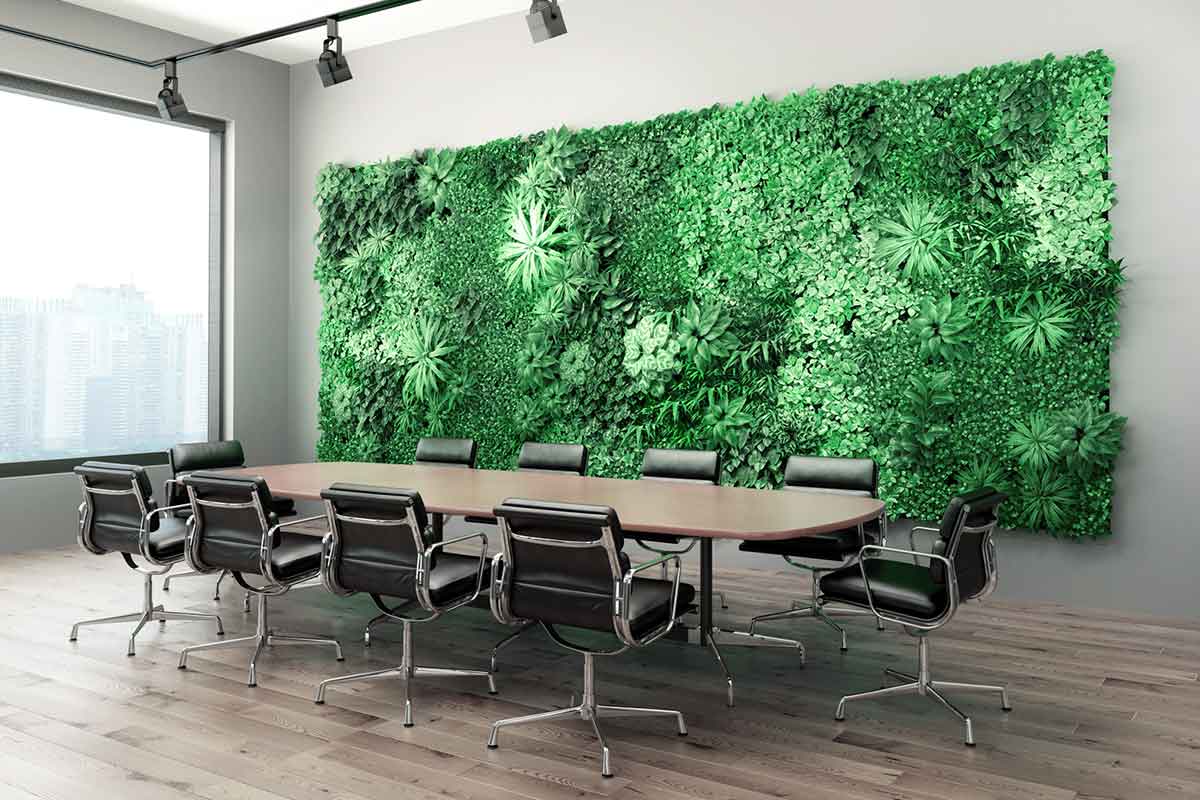
One of the most popular biophilic features in Singapore interiors is the living wall. Floor space is always at a premium, so using vertical surfaces for planting is a clever way to introduce greenery without taking up room that could be used for other things. A well-installed living wall brings colour and texture to any space, softens background noise, and creates a natural focal point that people genuinely respond to.
For Singapore conditions, the best species to consider are ones that naturally tolerate high humidity and indirect light. Peace lilies, philodendrons, and various fern varieties all perform well in air-conditioned interiors. The key is making sure the irrigation and drainage system is properly designed from the start, because a poorly maintained living wall is far worse aesthetically than having no plants at all.
2. Using Natural Light Thoughtfully
Singapore receives intense sunlight year-round, and the instinct in many buildings is to block it out entirely with blinds or tinted glazing. Biophilic design takes the opposite approach. The goal is to work with natural light rather than against it, controlling glare without eliminating the sense of connection to the outside world.
East-facing windows are ideal for capturing the cooler morning light, while frosted or fritted glass helps diffuse the harsher afternoon sun coming in from the west. In any well-considered office interior design in Singapore, keeping workstations within a reasonable distance of a window is recognised as one of the simplest ways to support occupant wellbeing over the long term.
3. Natural Materials Throughout the Space
Biophilic design is not only about plants. The materials used throughout a space play an equally important role in creating an environment that feels grounded and connected to nature. Timber, stone, bamboo, rattan, and woven natural fibres all contribute to that quality, whether they appear in flooring, wall panelling, furniture, or decorative details.
In Singapore’s tropical climate, material selection needs a bit more thought than in cooler parts of the world. For timber specifically, species like teak and chengal or thermally treated wood perform well in humid conditions because they resist warping and are less prone to fungal issues. Pairing light timber flooring with a raw stone feature wall is a combination that works particularly well in Singapore offices and retail spaces.
4. Indoor Water Features
Running water has a naturally calming effect, and it is one of those biophilic elements that works on a sensory level even before you consciously notice it. Wall-mounted water features or floor channels add gentle movement and a soft background sound that makes open-plan spaces feel less harsh and more settled.
In lobbies and naturally ventilated atriums, an indoor water feature can also contribute slightly to thermal comfort through evaporative cooling. The main thing to get right is scale. A feature that is too small will not be heard above air-conditioning noise, while one that is too large will feel intrusive and make conversation difficult.
5. Shapes and Forms Inspired by Nature
Biophilic design also works through indirect reference to nature. Curved furniture, organic ceiling forms, irregular joinery details, and leaf-shaped partitions all evoke the natural world without necessarily including a single plant. These biomorphic shapes reduce the rigidity that tends to characterise conventional commercial interiors and make spaces feel more comfortable and intuitive to move through.
When developing an office interior design in Singapore, it is worth incorporating these organic elements at the planning and furniture selection stage rather than trying to add them later. The earlier they are built into the design, the more cohesive the final result will be.
6. Thoughtful Placement of Indoor Plants
Not every project has the budget for a full living wall installation, and that is perfectly fine. Individual potted plants placed thoughtfully throughout a space can achieve a meaningful biophilic effect on their own. Large-leafed species like bird of paradise, monstera, and fiddle-leaf figs work well as statement pieces in reception areas or meeting rooms. Smaller, lower-maintenance varieties like snake plants and ZZ plants are well suited to inner offices where light levels are lower.
A few practical tips: group plants in odd numbers for a more natural look, use planters that complement the material palette of the space, and keep them away from direct air-conditioning vents, which cause stress and leaf drop in most tropical species.
7. Views of Greenery and Outdoor Connections
Where the floor plan allows for it, creating a direct visual or physical connection to an outdoor garden or terrace is one of the most effective biophilic moves available. Singapore’s climate means that sheltered outdoor terraces and gardens are usable for much of the year, and they make genuinely good breakout or informal meeting spaces.
In situations where full outdoor access is not possible, framing views of greenery through large windows is a well-established alternative. Even a glimpse of trees or planted landscaping from a workstation has been shown to reduce stress and improve concentration over the course of a working day.
Practical Considerations for the Singapore Climate
Designing biophilically in Singapore requires some honest thinking about maintenance and durability. The average relative humidity sits around 84 per cent, which means materials that are not selected with moisture in mind will degrade faster than expected. Untreated MDF, certain wallpapers, and some upholstery fabrics can cause problems in poorly ventilated spaces.
Plant maintenance is another area where it pays to plan ahead. Living walls and planted installations require regular care, and that cost should be factored into the project budget from the beginning rather than treated as an afterthought. A well-maintained biophilic interior looks extraordinary. A neglected one does real damage to how a space feels and how a business is perceived.
When all of these elements come together, the result is a workspace that people find genuinely pleasant to spend time in. Research consistently shows that access to natural elements improves mood, reduces stress, and supports focus. For businesses investing in office interior design in Singapore, biophilic design offers one of the strongest returns available, both in terms of staff wellbeing and the overall quality of the environment.
Ready to Design a Space That Feels Alive?
Talk to our team about bringing biophilic design into your next project. We work with businesses across Singapore to create interiors that are both beautiful and built for the local climate. Contact Us Today!